






Why Choose a Drowsy Driving Accident Lawyer From Regan Zambri Long?
If you or your loved one were hit by a driver asleep at the wheel, help is available to you. A Washington, DC car accident lawyer at Regan Zambri Long can help you recover compensation for medical costs, property damage, lost wages, future earnings, and pain and suffering.
Our DC accident attorneys have secured multimillion-dollar results for crash victims, including:
- $15 million settlement for a client who suffered paralysis
- $14 million settlement for the victims of an automobile collision
- $10.6 million settlement for a case involving paraplegia and traumatic brain injury
- $10 million compensation for a woman injured in a serious crash
- $9.5 million settlement for a man whose life was changed by a collision.
These outcomes reflect our dedication to accountability, preparation, and justice for those hurt by negligence.
Every partner at Regan Zambri Long brings a national reputation for excellence:
- All six partners appear on the 2025 Lawdragon 500 Leading Plaintiff Consumer Lawyers list.
- All our partners and attorneys are recognized among Best Lawyers’ top personal injury attorneys in Washington, DC. Partners Patrick Regan, Salvatore Zambri, and Paul Cornoni have each been named Lawyer of the Year.
- All three named partners are AV Preeminent rated by Martindale-Hubbell and board certified in Civil Trial Law and Civil Trial Advocacy, credentials reflecting their experience handling motor vehicle crash cases and disputed liability claims.
- Partners hold national fellowships and leadership roles in some of the country’s most prestigious legal organizations, including the American College of Trial Lawyers, the American Board of Trial Advocates, the International Academy of Trial Lawyers, and the International Society of Barristers.
These recognitions reflect the firm’s experience handling serious injury cases, including motor vehicle crashes involving fatigue, disputed fault, and insurance coverage issues.
Contact one of our top Washington, DC drowsy driving accident lawyers at Regan Zambri Long today for a free consultation. Let us take on the burden of the legal processes that follow a car accident so that you can focus on the healing process.
How Common is Drowsy Driving in Washington, DC?
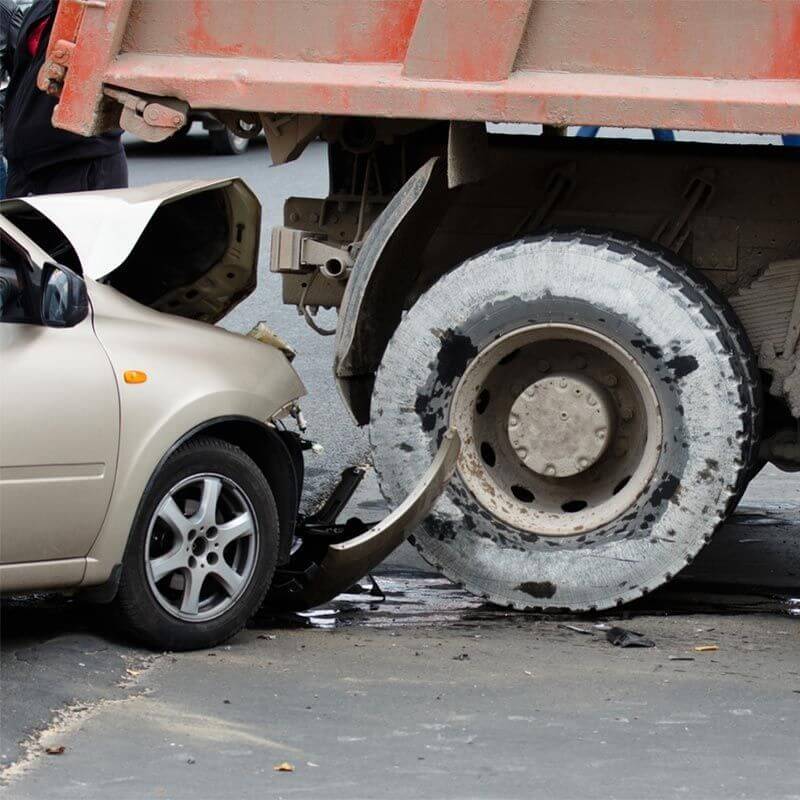
Unfortunately, drowsy driving is highly prevalent in the United States. According to a 2021 report from the AAA Foundation for Traffic Safety, drowsy driving is responsible for 50,000 injuries and 800 fatalities yearly.
However, research suggests that the prevalence of drowsy driving fatalities is grossly underreported, as the National Sleep Foundation estimates it is more that drowsy driving causes more than 6,000 fatalities each year. This has been corroborated by 2024 AAA research showing that fatalities linked to driver drowsiness are estimated to be ten times higher than official reports suggest.
In Washington, DC, drowsy driving risk is often associated with long commutes on major corridors such as I-495, I-395, and New York Avenue, as well as early morning and late-night traffic patterns. Shift workers, including healthcare employees, transit workers, federal employees, and military personnel, may also face a higher risk of fatigue-related crashes due to irregular or extended work hours.
The gap between awareness of fatigue risks and real-world behavior remains wide, as the National Sleep Foundation’s 2024 Drowsy Driving Survey found that 50% of drivers said they would still keep their plans and drive even after getting only three to four hours of sleep.
Even with these daunting statistics, only two states have implemented drowsy driving laws.
- Arkansas’s drowsy driving law was enacted in 2013 and defines fatigue as being without sleep for over 24 consecutive hours.
- Under N.J.S.A. 2C:11-5, New Jersey put “Maggie’s Law” into effect in 2003 and considers driving “while knowingly fatigued” as legal recklessness.
How Does Sleep Deprivation Impact Your Driving?
Currently, Washington, D.C., Virginia, and Maryland do not have standalone drowsy driving statutes. However, a fatigued driver may still be held liable under general negligence or reckless driving principles if their exhaustion contributed to a crash.
At Regan Zambri Long, we understand the laws and insurance issues that can arise after a drowsy driving accident in the DC Metro area and can help you pursue compensation for your injuries and losses.
It’s a little-known fact that drowsy drivers are just as dangerous as drunk drivers. While Americans have been taught the dangers of drunk driving since grade school, very little is mentioned about the perils of driving while fatigued. According to the National Institute of Health (NIH), about 50 to 70 million Americans suffer from a sleep disorder, leaving a significant portion of the population vulnerable to fatigue-related impairment behind the wheel.
According to a study referenced by the Centers for Disease Control and Prevention (CDC), being awake for at least 17 hours is the same as having a blood alcohol content of 0.05%. Staying awake for at least 24 hours can result in impairment comparable to a blood alcohol content of 0.1%, which is above the legal limit for driving.
Sleep deprivation can hurt your driving ability in the following ways:
- Slows down your reaction time: As you get more and more tired, the more time it takes you longer to react to an emergency.
- Impaired judgment: Much like a drunk driver, a drowsy driver may not recognize the danger in the roadway until the last minute.
- Shorter temper: Lack of sleep can cause you to become more irritable, which can result in a road rage incident.
- Drifting: You may not be paying attention closely to the road as you would if you were more awake. This can cause your car to drift out of its lane of travel.
- Loss of control: If the driver does fall asleep behind the wheel, the car can easily become a danger to anyone on the road.
What Are the Warning Signs of Driver Fatigue That I Should Look For?
While it is difficult to predict when you are going to fall asleep, the Washington, DC Department of Motor Vehicles highlights plenty of warning signs to look for before and during a long drive, including:
- Difficulty focusing, frequent blinking, and/or heavy eyelids
- Difficulty keeping your eyes open or your head up
- Blurred vision
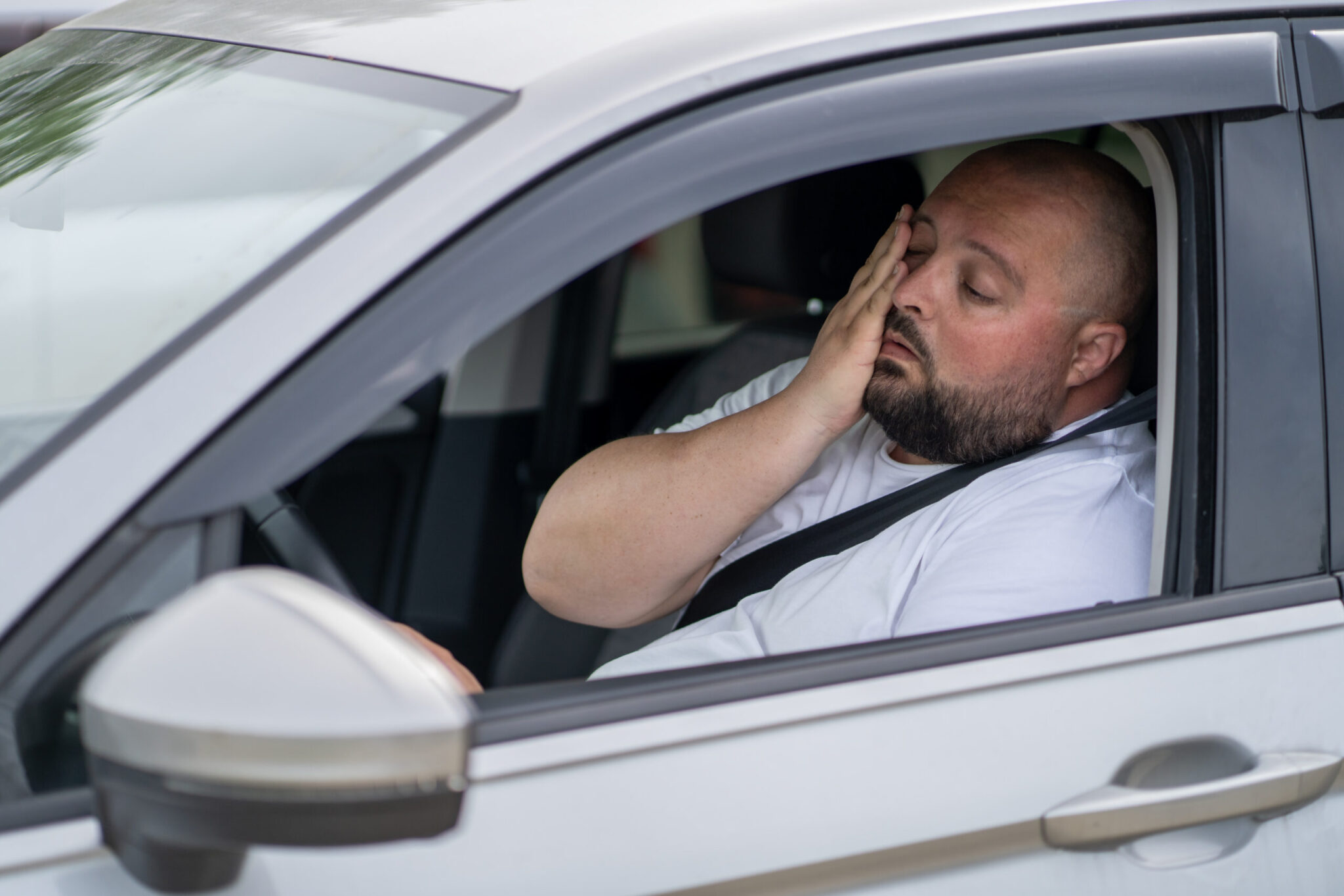
- Yawning or rubbing your eyes repeatedly
- Daydreaming and wandering thoughts
- Drifting from your lane, swerving, missing an exit, tailgating, and/or hitting rumble strips
- Inability to clearly remember the last few miles driven
- Feeling restless, irritable, or aggressive
- Turning up the radio or rolling down the window to help wake yourself up
If you notice any of these signs, the safest thing to do is to stop driving. Pull the car over and take a 15-20 minute nap in a safe place, such as a rest stop.
There are numerous ways to prevent reaching this point and mitigate driver fatigue before it becomes a problem. They include:
- Get enough sleep, roughly seven to eight hours per night for adults. This is especially necessary before a long car trip.
- If you are going on a long car drive, plan ahead to limit the number of hours driving.
- Travel with someone and take frequent breaks at rest areas or travel plazas.
- Avoid alcohol before driving, but drink plenty of caffeine.
- Taking prescription medication? Check before driving to make sure fatigue is not a side effect of use.
- Avoid driving during peak sleepiness periods, which are midnight to 6 a.m.
- If you suffer from a sleep disorder, such as sleep apnea, talk to your doctor about treatment options.
What Steps Should You Take After a Drowsy Driving Accident in Washington, DC?

If you were in a drowsy driving car accident in Washington, DC, here’s what you should do:
Report the Accident to the Police
The police will be able to assist you with immediate medical needs, direct traffic away from the scene, and investigate the incident. Notify the officers of any injuries that need immediate medical attention so they can coordinate emergency medical help for you or your passengers. Do not let the other driver persuade you not to call the police, especially if you suspect driver fatigue. Do not take money from the other driver, as that can hinder your chances of receiving proper compensation later.
Assess the Damages
Inspect your car and personal possessions for any damage. Take pictures, videos, and notes for documentation and keep that documentation safe. After your initial assessment is done, exchange information with the other driver. If the driver refuses to provide you with the proper information, the police officer handling your case will include it in the police crash report. If there are any witnesses present, be sure to collect their contact information, as well.
Call Your Insurance Company
After you arrive home, the next step is to contact your insurance company. Remember, insurance companies are notorious for doing everything they can to avoid paying proper compensation to their clients. Even though you are dealing with your own insurance company after a car accident, you need to know they are not on your side. You will not deal with your own insurance agent, but rather an adjuster, whose job it is to pay out the minimum amount owed to you following a car crash.
Contact a Washington, DC Car Accident Lawyer
At Regan Zambri Long, our car accident lawyers are well-versed in the laws governing driving in Washington, DC. They are experts in dealing with various insurance policies and can navigate the car accident claim process on your behalf, so you don’t have to. As soon as you report the claim, your next phone call should be to our DC drowsy driving accident lawyer, Paul J. Cornoni.
In Washington, D.C., personal injury claims arising from car accidents are generally subject to a three-year statute of limitations under DC Code § 12-301. If you wait too long to file a claim, you may lose your right to recover compensation.
Contact Us Today
Schedule A Free Consultation With A Top Drowsy Driving Accident Attorney
How Does Regan Zambri Long Handle Drowsy Driving Claims?
Our Washington, D.C.-based personal injury law firm passionately advocates for their clients who have sustained injuries due to the negligence of others. Because Washington, DC, doesn’t have explicit drowsy driving laws, the legal process following a car accident involving driver fatigue can be complicated to prove. Necessary evidence for your claim includes:
- Driving logs or work shift records showing the amount of time working without sleep
- Cell phone data
- School records
- Prescriptions or over-the-counter medications used in the hours before the drowsy driving accident
- Store, ATM, and gas receipts
- On-scene evidence, including a lack of skid marks before the collision, indicating the driver did not attempt to brake and, therefore, was likely asleep at the wheel
The leading fatigued driving accident lawyers at Regan Zambri Long possess the expertise and resources necessary to gather all the evidence required to see your case through to its conclusion. Whether your case ends in a settlement or verdict, we will work to secure the favorable outcome you need.
Frequently Asked Questions About Drowsy Driving Accidents in DC
What are the common injuries from drowsy driving accidents in DC?
Common injuries from drowsy driving accidents in DC include:
- Spinal cord injuries, including paralysis, which can limit future earning potential
- Concussions, which inhibit or alter your brain function
- Traumatic brain injuries, resulting in loss of speech, seizure disorders, coma, and other neurological problems
- Internal bleeding
- Soft tissue damage to the muscles, tendons, or ligaments
- Whiplash and other neck injuries
- Chest injuries
- Post-traumatic stress disorder. PTSD can cause a variety of mental issues and distress, and can leave the victim suffering from flashbacks, anxiety, nightmares, and uncontrolled aggression
- Broken bones and bruising
Sometimes, drowsy driving accidents can result in fatal injuries. If you lost a loved one because a driver fell asleep behind the wheel, you have the right to file a wrongful death claim against that driver. Contact Partner Christopher Regan to learn your legal options.
What types of damages can you recover in a Washington, DC drowsy driving accident lawsuit?
Damages that can be collected in a car accident lawsuit are divided into three categories. The first is economic damages, which include:
- Medical bills. This includes but is not limited to ambulance rides, hospital stays, doctor visits, rehabilitation, medications, physical therapy, counseling services, and any future medical costs associated with the accident.
- Property damages. Property refers to any property that was lost or damaged in the accident. This includes car repairs and/or replacement, as well as car rentals.
- Lost wages. Any loss of income or earning capacity due to your injuries from the drowsy driving accident can be compensated.
The second category of recovery damages is non-economic damages, which include:
- Physical pain caused by the impact of the accident
- Emotional distress caused by the psychological trauma of the accident
- Physical impairments like disfigurement, physical impairment, and sexual dysfunction
- Social disparities or mental hardships, including grief, depression, nervousness, and anxiety
And finally, the third category is punitive damages, which are damages awarded in rare cases involving:
- Gross negligence: conduct that shows a reckless disregard for the safety of others
- Willful and wanton negligence: acting with conscious disregard of another person’s rights or safety
- Malice: intentional wrongdoing or conduct done with a deliberate intent to harm
To pursue maximum compensation, call the DC drowsy driving accident lawyers of Regan Zambri Long.
How does Washington, DC’s contributory negligence law affect a drowsy driving claim?
Contributory negligence is a legal principle that prevents an injured person from recovering damages if they are found to be even partially at fault. Washington, D.C., along with Maryland, Virginia, North Carolina, and Alabama, are among the few jurisdictions that still follow contributory negligence rather than comparative negligence.
If you are unsure whether you may be found partially at fault or believe you have been wrongly accused of contributory negligence, contact a lawyer at Regan Zambri Long.
Who is more likely to drive drowsy or fall asleep at the wheel in Washington, DC?
According to the CDC, five types of drivers are most likely to be drowsy drivers:
- Commercial drivers who operate vehicles such as buses, tow trucks, and tractor-trailers
- Shift workers (who work night shift or long shifts)
- Drivers with untreated sleep disorders, such as sleep apnea
- Drivers who use medication that makes them sleepy
- Drivers who don’t get enough sleep
How much compensation can I receive for a Washington, DC drowsy driving accident claim?
Every case is different, so it’s hard to predict how much compensation you should expect. The amount depends on the severity of the injuries and the extent of the medical care required. Regan Zambri Long works to ensure that their clients are paid the maximum amount of compensation.
Do Regan Zambri Long lawyers handle catastrophic injury cases?
Yes. The attorneys at Regan Zambri Long work with medical experts to strengthen the claim and ensure a beneficial outcome for their client following a catastrophic injury caused by a car crash.
After a catastrophic event, there are many battles to overcome, whether it’s grief, physical healing, or emotional distress. The claims process is one battle you don’t have to fight alone. Let Regan Zambri Long carry the weight of the legal processes, so you can give yourself time to rest and recover.
If you were in a car accident with a drowsy driver anywhere in the DC Metro area, we’re here to help. Contact our personal injury lawyers today for a free consultation. We work on a contingency basis, so you do not owe us a fee until your case is successful.